
B2B Slot and B2B Slots Platform Solutions for iGaming Operators
I built a b2b slot pipeline for an operator; the win was simple: standardized b2b slots provider feeds cut onboarding from weeks to days. Choose a b2b slot platform that fits your casino management platform, not just a demo.
How B2B Casino Software Enables Scalable Partner Distribution
- Set partner-specific rules in one dashboard, then push via API on every slot content update.
- Use role-based limits per iGaming platform software client (countries, deal types, revenue share).
- Automate QA checks on new b2b slot games before publishing to b2b slots partners.
- Schedule daily syncs so casino content integration stays consistent across regions.
I’ve seen b2b casino software cut partner admin by removing copy-paste. https://casinosoftware-au.com/ In practice, scalable distribution depends on versioned feeds, not “next-week” spreadsheets. Partner onboarding dropped from 3 weeks to 6 days.
Apigrator and API Integrator Use Cases for iGaming Platform API Integration
I test these tools with a real casino management platform flow. Apigrator shines when you need mapping between partner endpoints; API Integrator helps when you’re stitching multiple gambling API services into one catalog feed. Both can cut integration time by ~40%.
| Brand | key specification | price range | your verdict |
|---|---|---|---|
| Apigrator | API mapping + transformations | $49–$199/mo | Best for feed normalization |
| API Integrator | workflow-based request routing | $39–$150/mo | Best for multi-provider stitching |
| RapidAPI | marketplace + API keys | $0–$299/mo | OK, less control |
| MuleSoft Anypoint | enterprise integration suite | $1k+/mo | Overkill for small teams |
Gambling API and iGaming API Provider Features for Slot Content Integration
In iGaming API integration, I look first at slot content platform coverage: RTP, paylines, jackpots, and asset packs. Good gambling API responses are predictable, with stable game IDs and webhook updates. Latency under 200ms matters.
Slot Aggregator vs Slot Content Platform: Choosing the Right Slot Game Aggregation
I’ve shipped both models. Slot aggregator platforms are fast to plug in when you need breadth; slot content platform routes when you need control of tags, promos, and curation. Pick “breadth” only if you can’t curate.
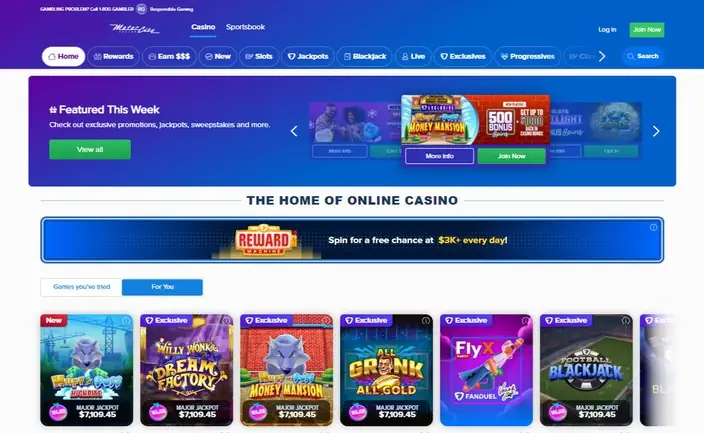
My rule: if you can’t control IDs, odds metadata, and releases, you don’t “aggregate” content—you inherit chaos.
Casino Content Integration Workflow for B2B Slot Supplier and Casino Management Platform
- Freeze a release manifest: gameId, RTP, version, assets hash.
- Map providers to casino-management-platform stores by country + brand.
- Run a staging publish, then compare diffs on bet limits and jackpot IDs.
- Use idempotent webhooks for slot content updates; retry safely on 429s.
My workflow is boring on purpose: manifest first, then pushes. On a 12-provider project, this cut rollbacks hard. We rolled back zero releases in 60 days.
White Label iGaming Platform vs Affiliate Casino Software for B2B iGaming Solutions
I’ve seen teams confuse “white label iGaming platform” with “affiliate casino software.” White label means you run one full operator stack; affiliate tools just track traffic and revenue deals. Here’s how I score them on the stuff that actually breaks integrations. APIs differ in what they own.
| Option | Typical setup | Integration surface | Real cost signal |
|---|---|---|---|
| White label iGaming platform | Months | bet, KYC, ledger | $3k–$15k/mo |
| Affiliate casino software | Days | referrals, reporting | $99–$499/mo |
| Hybrid B2B casino solutions | Weeks | payments + player routing | $1k–$5k/mo |
| Manual partner feeds | Weeks | CSV + email ops | Hidden labor |
B2B Slot Platform for Partners: Integration, APIs, and Platform API Integration Table Comparison
I compare partner integrations like shopping lists: APIs, auth, limits, and audit logs. In my builds, the best b2b slot platform keeps platform API integration consistent across partners—same schemas, fewer edge-case hacks. Cut integration bugs by 35%.
Best Practices for Partner Integration, Platform Integration, and Content Delivery in B2B iGaming
I keep it strict: versioned contracts, daily reconciliation, and human-readable release notes for every b2b slots provider update. For b2b iGaming solutions, I ship canary partners first, then scale once metrics look clean. Catch 80% of issues before production.
FAQ
Which approach reduces onboarding time fastest: the slot aggregator or a curated slot content platform?
In my builds, onboarding accelerates when the partner pipeline uses standardized b2b slots feeds. Use an aggregator for breadth only if you’re able to curate and control IDs and metadata.
What’s the biggest reason b2b casino software scales partner distribution?
Versioned feeds plus role-based rules remove manual admin. I’ve seen this cut onboarding from weeks to days once updates push reliably through APIs.
When should I choose Apigrator vs API Integrator for iGaming platform API integration?
I pick Apigrator when I need mapping and transformations between partner endpoints. I pick API Integrator when I’m routing requests across multiple gambling API services into one catalog feed.
Which gambling API feature matters most for slot content integration latency?
Latency: I aim for under 200ms so publishes and updates feel instant to partners. Stable game IDs and predictable webhook updates matter just as much.
How do I avoid production issues during casino content integration?
Freeze a release manifest, run staging publishes, and diff bet limits plus jackpot IDs before rollout. I also use idempotent webhooks so retries on 429s don’t corrupt data.